Defence and dual-use, UK
Two weeks. One bottleneck. Fixed and running.
Pick the thing slowing your delivery most: hiring, a contract, production or trials. In two weeks it's mapped, a working fix is live, and you have a plain plan for the rest.
Pick your bottleneck
Pick where you are. This is what I would do with you in the first two weeks.
- Week 1Tie the hiring plan to the delivery plan: which roles block which milestone, in what order.
- Week 2Hiring pipeline, interview loop and onboarding pack running, the first critical roles in process.
You get: a hiring plan your board can read against the delivery dates, and a pipeline that runs without a founder in every step.
- Week 1Break the contract into deliverables, dates, acceptance tests and the reports you owe.
- Week 2A delivery tracker the whole team uses, and the first customer report drafted from it.
You get: one place that shows whether you are on time, and reports that write themselves from the work.
- Week 1Map suppliers, lead times, quality and test paperwork for the parts that gate a build.
- Week 2Supplier onboarding and parts tracking live, with late parts flagged before they are late.
You get: you know which part will hold up the next batch while there is still time to fix it.
- Week 1Gather what the last trials produced: operator notes, logs, videos, emails, the things said in the debrief.
- Week 2A trial-to-backlog flow: every trial ends in a short, ranked list for engineering.
You get: feedback from the field reaches the product before the next trial, not after the next round.
How we start
30 minutes
Where delivery is slowest right now, and what the next 18 months need.
Two weeks on one bottleneck
Mapped, a working fix for the worst of it, and a plain plan for the rest.
Then, together
A project, a part-time role inside your team, or something closer. We pick the shape that fits.
What I take off your plate
Delivery
Prototype to production, on the date
Production tracking, supplier onboarding, quality and test paperwork.
Product
Trial feedback into the next release
What operators and customers say, captured and ranked for engineering.
Scale
Hiring and systems that hold
The first operations team, hiring at speed, and the internal software that keeps 40 people working like 400.
Paperwork
The admin around every contract
Bid packs, contract reporting and customer documents, drafted and tracked.
Hands on, now
I write and ship the software myself. Two things I am building alongside, for society and the state:
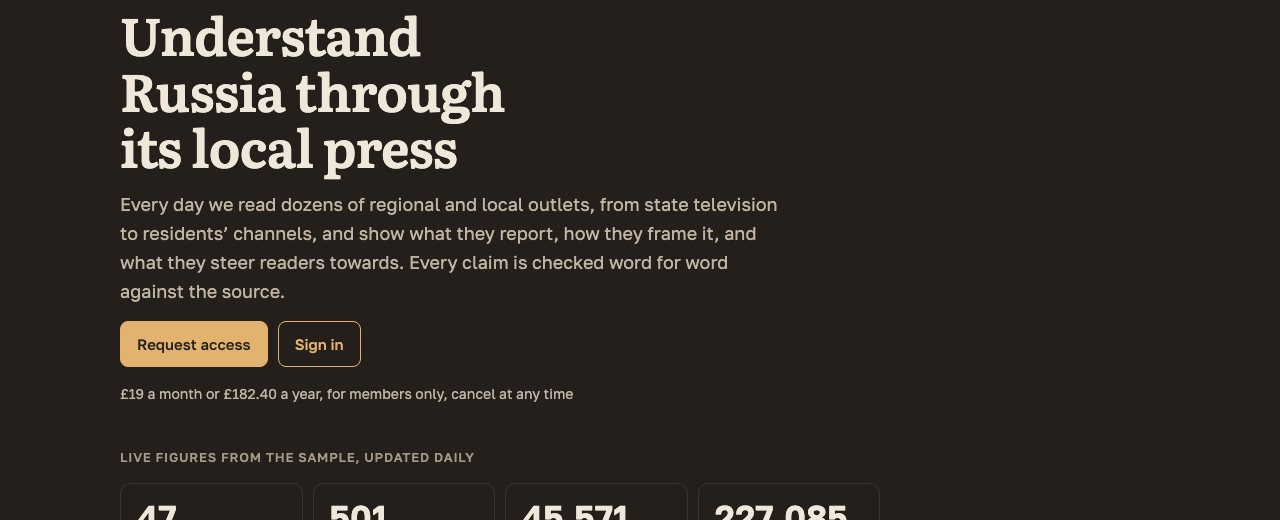
Ruminator
Reads Russia's regional and local press every day, from state television to residents' channels, and shows what each kind of outlet reports and how it frames it. Every claim is checked word for word against the source. For analysts, journalists and diplomats.
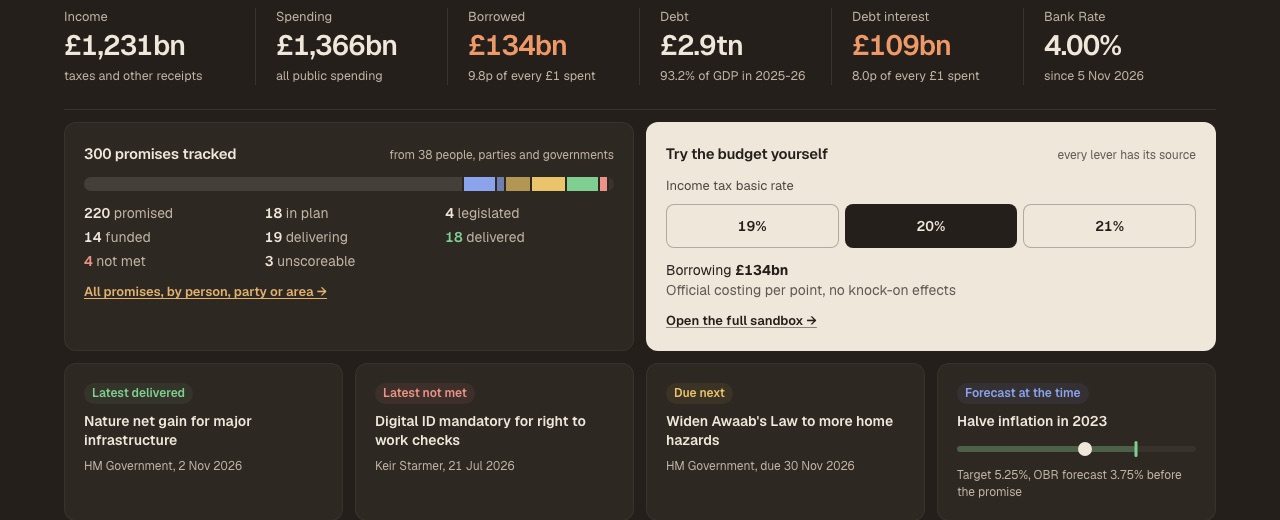
LedgerGov.UK
An open P&L of the UK state: where public money comes from, where it goes and what every political promise would cost, each number linked to its official source.
My code is public at github.com/xternal.
Who I am
Pavel Guzhikov, London. Twenty years of building companies, as founder and as the person who makes them run. I've built companies at every stage and in every set-up: from zero, through scaling and profit, to a sale. I was on the founding team at Uzum, Uzbekistan's first unicorn: lending, payments, cards and a marketplace for millions of users, in a market with no digital infrastructure. Along the way I've rebuilt a company's processes from zero in a new country, brought teams from different cultures together into one, and taken a business from loss to profit in six months. Before that I built fintech products with more than 100 banks, and founded and sold two companies. I am most interested now in problems where the technology is hard, the deployment is political and the stakes are national: defence and dual-use, sovereign infrastructure, public systems.
What stays yours
The technology, the defence know-how, the clearances and the customer relationships. I work on the unclassified side: the machinery that turns funding and contracts into delivery. Where any part needs vetting, we say so plainly at the start.
Questions
- Why someone from outside defence?
- Because the problems after a raise are the same in every fast-growing company: too much to do, too few people, and processes built for ten staff carrying a hundred. Defence adds rules on top; it doesn't change the arithmetic.
- Is this a consultancy?
- No decks. Working software and processes that run differently the following week.
- Do you need a clearance?
- Not for the unclassified work. Where a task needs vetting, we agree at the start who does it and how.
- Who is it for?
- UK defence and dual-use companies from about 15 to a few hundred people, usually just after a funding round, a first big contract or a new site.