For private equity owners of British brands
I make the 100-day plan happen.
Precise management and execution inside the company you have just bought: beside management and measured weekly, so your deal team doesn't have to chase it.
Your first two weeks with me
Pick where you are. This is what I would do with you in the first two weeks.
- Week 1Turn the investment case into a weekly scorecard: the handful of numbers that prove the plan is working, and who owns each.
- Week 2The scorecard running from real data, the first weekly review held with management, the three biggest blockers named with owners.
You get: a plan you can read every Monday, not a deck you reread at the next board.
- Week 1Find where the business lives in one person's head or one spreadsheet: stock, orders, suppliers, cash.
- Week 2The worst of those moved into a simple system the team runs, with the founder's blessing.
You get: the brand keeps its founder's taste and loses its single point of failure.
- Week 1Map suppliers, lead times, stock and the season ahead: what sells out, what sits.
- Week 2Stock and production planning live, with reorder points set and late supply flagged early.
You get: fewer sell-outs on the winners and less cash sitting in the wrong stock.
- Week 1List what has to become one: finance, stock, customer data, people, reporting.
- Week 2An integration plan with dates and owners, and the first shared report running across both companies.
You get: one view of the combined business within weeks, not after the next audit.
What I take on
Execution
The 100-day plan, run weekly
Owners, dates, a scorecard, and someone on site who makes sure it happens.
Operations
Stock, supply and production
Planning that matches the season, suppliers who deliver on time, and fewer surprises.
Numbers
Reporting you trust from month one
Monthly close, KPIs and the board pack from one source, not five spreadsheets.
Systems
Software that fits the business
I pick or build the tools myself, so 40 people work like 400.
Hands on, now
I write and ship the software myself. Two things I am building alongside, for society and the state:
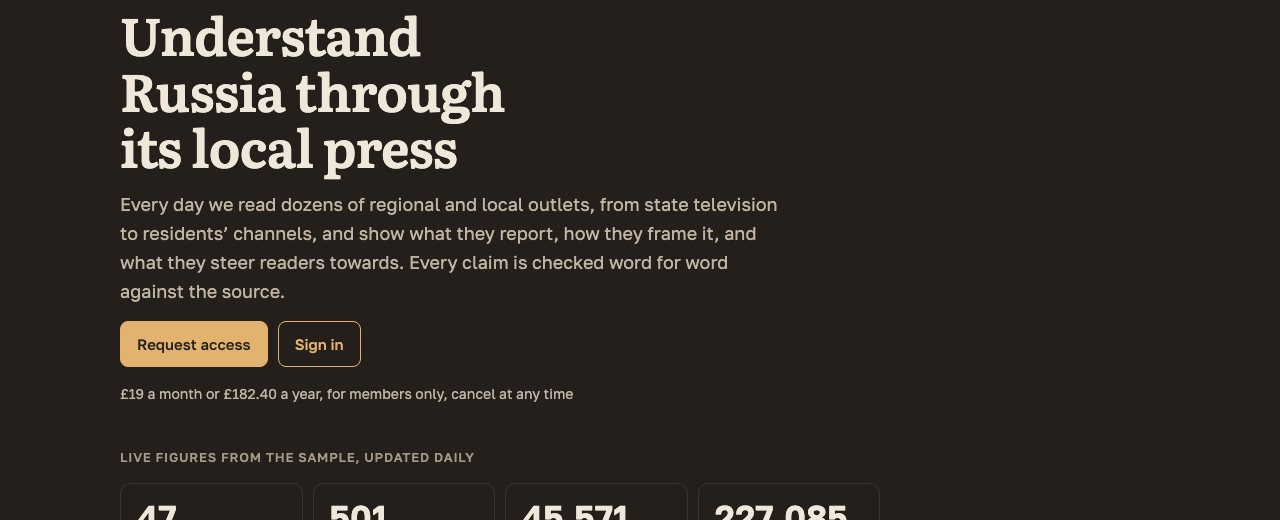
Ruminator
Reads Russia's regional and local press every day, from state television to residents' channels, and shows what each kind of outlet reports and how it frames it. Every claim is checked word for word against the source. For analysts, journalists and diplomats.
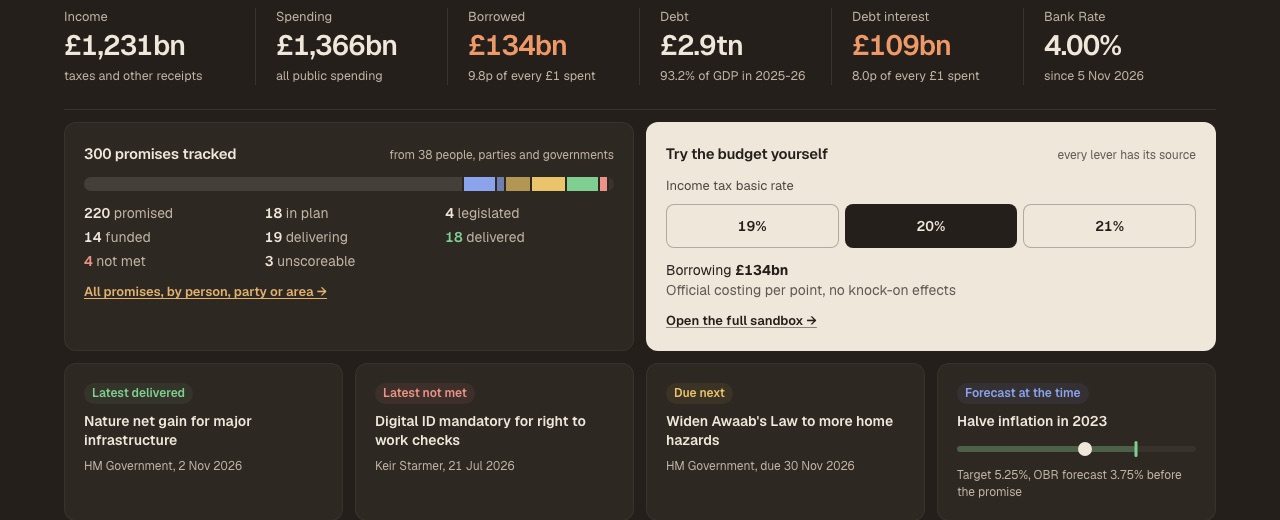
LedgerGov.UK
An open P&L of the UK state: where public money comes from, where it goes and what every political promise would cost, each number linked to its official source.
My code is public at github.com/xternal.
Who I am
Pavel Guzhikov, London. Twenty years of building companies, as founder and as the person who makes them run. I've built companies at every stage and in every set-up: from zero, through scaling and profit, to a sale. I was on the founding team at Uzum, Uzbekistan's first unicorn: lending, payments, cards and a marketplace for millions of users, in a market with no digital infrastructure. Along the way I've rebuilt a company's processes from zero in a new country, brought teams from different cultures together into one, and taken a business from loss to profit in six months. Before that I built fintech products with more than 100 banks, and founded and sold two companies. I like businesses where a good product meets messy operations: that is where precise management pays back fastest.
What stays yours
The thesis, the board and the brand. Management stays in charge: I work beside them as one of the team, not as the fund's auditor. You get a short weekly note: what moved, what is stuck, what needs a decision.
How we start
30 minutes
Which company, what the plan says, and where it is already slipping.
Two weeks in one company
The scorecard running, the worst bottleneck mapped and a working fix live.
Then, the shape that fits
An interim operating role, a part-time seat, or work across the portfolio.
Questions
- Interim manager, adviser or consultant?
- A hands-on operator. I run the work with management and write the software where it helps. No decks: processes that run differently the following week.
- Which companies?
- British brands from about 20 to a few hundred people, usually in the first year after an investment or during a buy-and-build.
- Why someone from fintech?
- Because the arithmetic of growth is the same everywhere: too much to do, too few people, and processes built for ten carrying a hundred. I have built companies from zero, scaled them, made them profitable and sold them.
- Who do I report to?
- We agree that at the start: usually the operating partner, with management as my day-to-day team.