For investors in fintech and software
What breaks after you buy it.
Technology and operations due diligence in one to two weeks, by someone who has built and run the kind of company you are buying. A plain report: what breaks after the deal, what it costs to fix, and what to do first.
Your two weeks with me
Pick where you are. This is what I would do with you in the first two weeks.
- Week 1The platform, the ledgers, the credit and risk stack, the regulator's obligations, and who really holds the keys to each.
- Week 2A plain report: the red flags with time and cost to fix, and the first 100 days in order of risk.
You get: you price the deal on what the business can run, not on what the deck says.
- Week 1Architecture, data and security; which metrics are real and which are assembled by hand each month.
- Week 2What scales with the plan, what breaks first, and what the tech debt will cost in people and months.
You get: no surprise rebuild six months after completion.
- Week 1Can the operations carry the growth in the plan: hiring, onboarding, support, reporting, finance.
- Week 2The two or three things to fix before the money goes into growth, with owners and dates.
You get: the round buys growth, not firefighting.
- Week 1Every system, contract and process that must be separated or merged, and who depends on what.
- Week 2An integration or separation plan with dates, owners and the true cost of the transition period.
You get: day one works, and the synergies in the model are ones you can actually reach.
What I look at
Technology
Architecture, security, debt
What the platform can carry, where it is fragile, and what a rebuild would cost.
Operations
How the work really gets done
Processes, manual work behind the dashboards, and who holds the knowledge.
Product and data
Numbers you can trust
Which metrics come from the system and which are rebuilt in a spreadsheet each month.
People
Key-person risk
Who the business can't lose in the first year, and how to keep it running if it does.
Hands on, now
I write and ship the software myself. Two things I am building alongside, for society and the state:
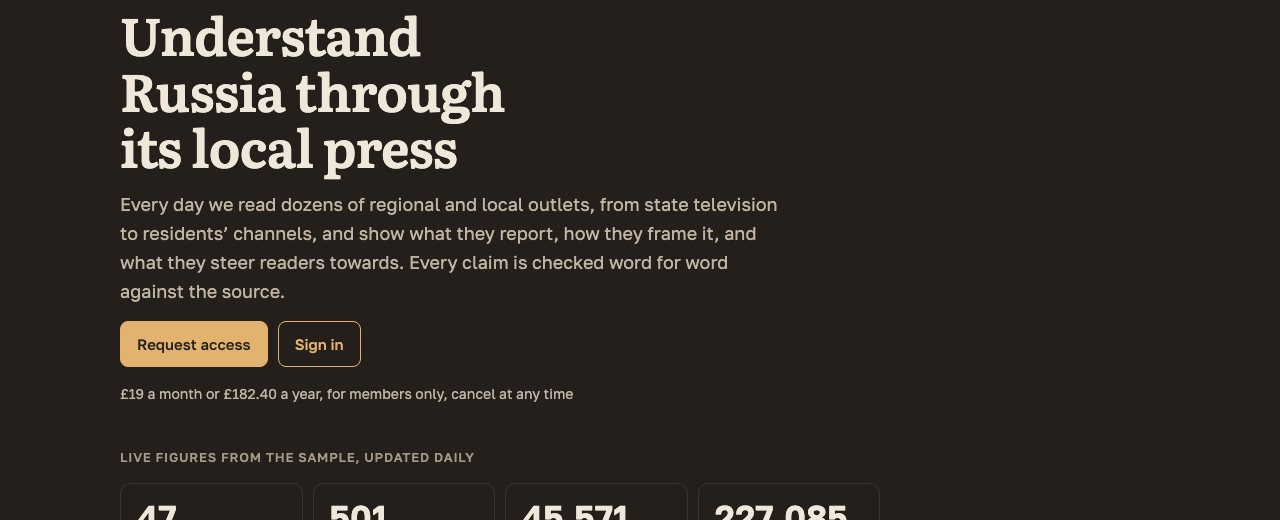
Ruminator
Reads Russia's regional and local press every day, from state television to residents' channels, and shows what each kind of outlet reports and how it frames it. Every claim is checked word for word against the source. For analysts, journalists and diplomats.
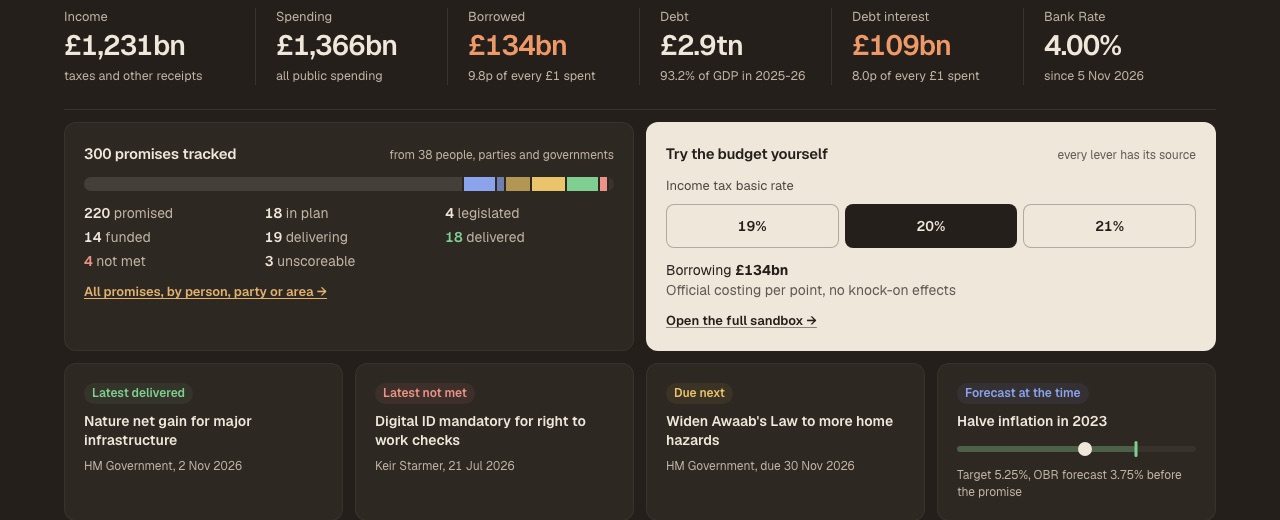
LedgerGov.UK
An open P&L of the UK state: where public money comes from, where it goes and what every political promise would cost, each number linked to its official source.
My code is public at github.com/xternal.
Who I am
Pavel Guzhikov, London. I have built and run the kind of companies investors buy. I was on the founding team at Uzum, Uzbekistan's first unicorn, and ran Uzum Bank: banking, payments, cards and lending, built from zero with acquisitions integrated along the way. I founded and sold Worki, a jobs marketplace acquired by Mail.Ru Group, co-founded Dengi Vpered, an earned-wage access business backed by Target Global, and delivered more than 100 banking solutions for banks across Europe. I read the code and I read the P&L, so the report covers both.
What stays yours
The investment decision. I tell you what I see in plain words, including what you would rather not hear. Fixing it afterwards is a separate choice, never a condition: if you want me on day 101, we agree that on its own.
How it works
30 minutes
The target, the thesis and the questions the investment committee will ask.
One or two weeks
Data room, systems and the people who run them, on site where it helps.
A report and a call
Red flags with cost and time to fix, and the first 100 days in order of risk.
Questions
- Instead of a Big Four technology review?
- Beside it, or instead of it on smaller deals. It is an operator's view: faster, closer to the floor, and focused on what will break after you own it.
- How fast?
- One week for a focused question, two for a full review. I can start within days of an NDA.
- Which companies?
- Fintech, lending, payments, marketplaces and B2B software, from about 20 to a few hundred people.
- Confidential?
- Yes. I sign your NDA before the data room opens.